







How to Stop Flinching When Shooting a Pistol
Tactical Elites — Short, Practical Guide
Quick TL;DR: Flinching is normal. Train to make the shot a surprise — focus the sights, press the trigger slow, and practice dry fire. Do that and you’ll cut flinch and get tighter groups fast.
Why flinch happens
Flinching isn’t weakness — it’s a reflex. Your body braces when it expects recoil, like tensing up before lifting something heavy. That same tension ruins accuracy with a pistol: the sights move, the trigger gets mashed, and your shots wander.

The simple fix
Get the surprise back. Make the gun go off without you anticipating the exact moment. That’s done with consistent trigger press, sight focus, and dry reps.
1. Focus your sight picture
Split your attention: 70% front sight, 30% trigger. Keep the front sight sharp on target — everything else should blur. If your sight is clear, your body won’t hunt for the “bang” moment.
2. Press the trigger slow and steady
Don’t jab. Take up the slack, then press smoothly until the shot breaks. Think of it like pushing a button all the way through — steady pressure until it surprises you.
3. Use the counting trick
Count quietly (1–2–3–4) while you press. The count gives your mind something to do so it stops screaming “bang” at you. Keep it slow and consistent; the shot will usually break around 2–3 on the count.
4. Start with a low-recoil pistol
If you’re new, practice on a .22 pistol or a heavier-framed gun first. Less recoil lowers the reflex and lets you learn the feel of a clean trigger press without fighting recoil.
5. Dry-fire is your best friend
Unload the pistol, point it in a safe direction, and practice the sight-focus + slow press routine. Do multiple reps — 50–100 reps per session will build muscle memory. No live ammo needed.
6. Short drills that work
-
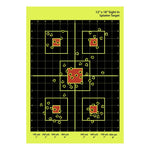
Dot drill: Aim at a 1–2” dot at 7–10 yards. Dry fire 20 reps. Fire 5 rounds live; record group. Repeat.
-
Two-step drill: Take two slow, deliberate presses in a row. Check how the sight moves.
-
Progressive live fire: Start with .22 or low recoil, then move to your carry caliber once dry fire feels solid.
What to watch for
If you tense your arms, squeeze the grip too hard, or flinch with your trigger hand, the sights move. Keep elbows relaxed, shoulders squared but not tight, and let the trigger do the work.
Quick checklist (repeat before every session)
-
Front sight clear ✔
-
Grip solid but not death-tight ✔
-
Breath controlled (easy exhale) ✔
-
Slow, steady trigger press ✔
-
Dry fire: 50 reps ✔
Final word
Flinch is fixable. Don’t overthink it — train slow, practice dry, and progress from low recoil up to your duty/personal caliber. Your groups will tighten, your confidence will climb, and range days will stop feeling like a firefight.